Journal
On Keeping a Commonplace Book

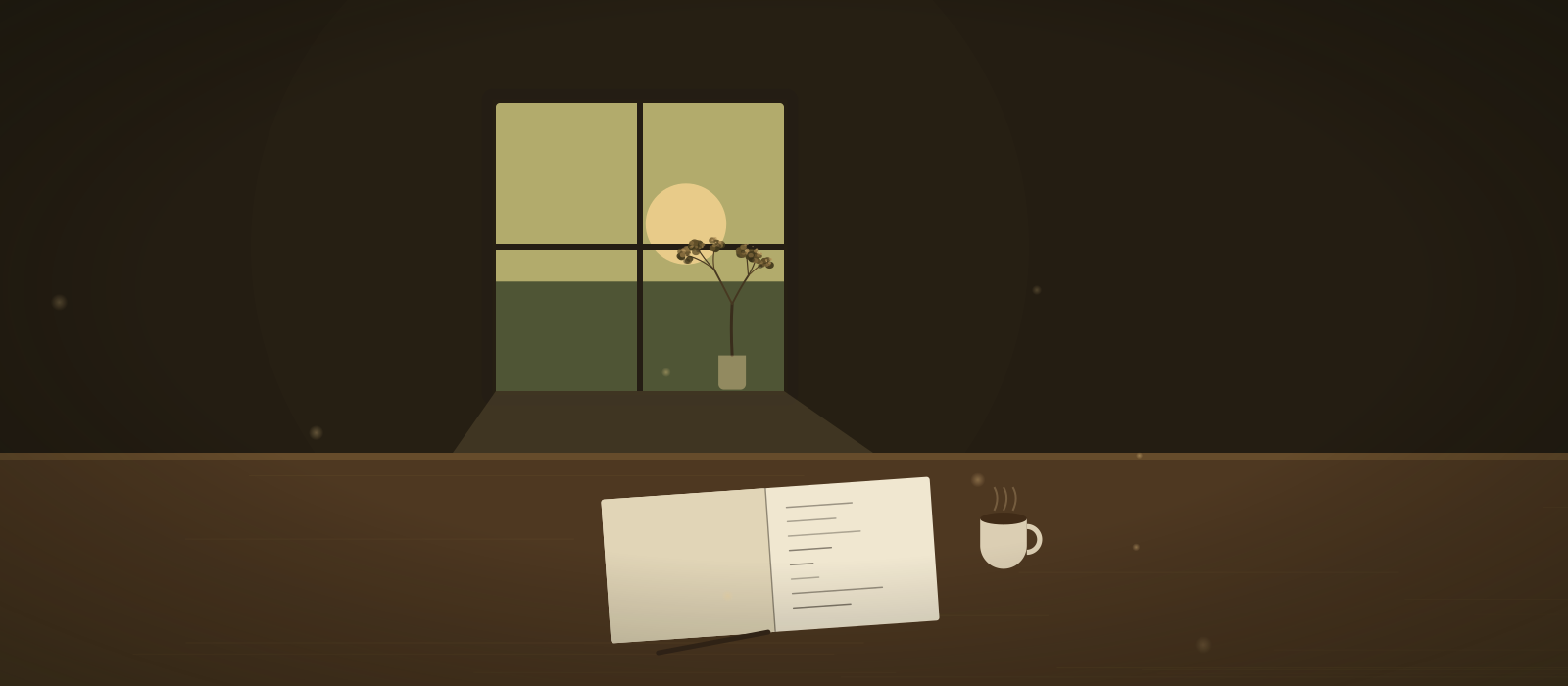
Not a diary. A diary is about you, and I am not reliably interesting enough to sustain the format.
A commonplace book is about everything else: the sentence you’d hate to lose, the word for the thing you didn’t know had a word, the way somebody’s aunt described a particular kind of rain. You copy it out by hand. The copying is not incidental — it is most of the value. A sentence you have written out yourself has been through you at the speed of your own hand, and that is slow enough to notice how it’s built.
Mine is a hardback A5, unruled, one per two years or so. The rules, such as they are:
- Date and source, always. Future you will want to find it again and will not remember.
- No commentary at the time of copying. Commentary comes later, in the margin, in a different pen, and is often an argument with your former self.
- Anything is admissible. Ordnance Survey names. A line from a hurling commentator. The Latin for hazel — Corylus avellana, which sounds like a woman who would not put up with much.
What surprises me, going back through them, is how little of it is literary. Mostly it’s people talking. The best line I have from all of last year came from a man at a mart in Ballinasloe explaining why he wouldn’t sell: “He’s no good to me and he’d be no good to you, but he’s used to the field.”
I have not found a place for that yet. It’s waiting. That’s allowed.
The other thing a commonplace book does, quietly, over years: it shows you what you actually care about, as opposed to what you have been telling people you care about. Mine says water, work, old names, and the way people avoid saying the important thing directly. I would have guessed differently. The book doesn’t argue. It just sits there being evidence.